For most of history, the people who could build things and the people who needed
things built were the same people. A farmer who needed a better plough made a better
plough. Then industry got good — extraordinarily good — and making things became
something that happened elsewhere, at scale, for a market. If your need was shared by a
million people, you got a product. If it was shared by four hundred, you got nothing.
Something changed in the last thirty years, and almost nobody
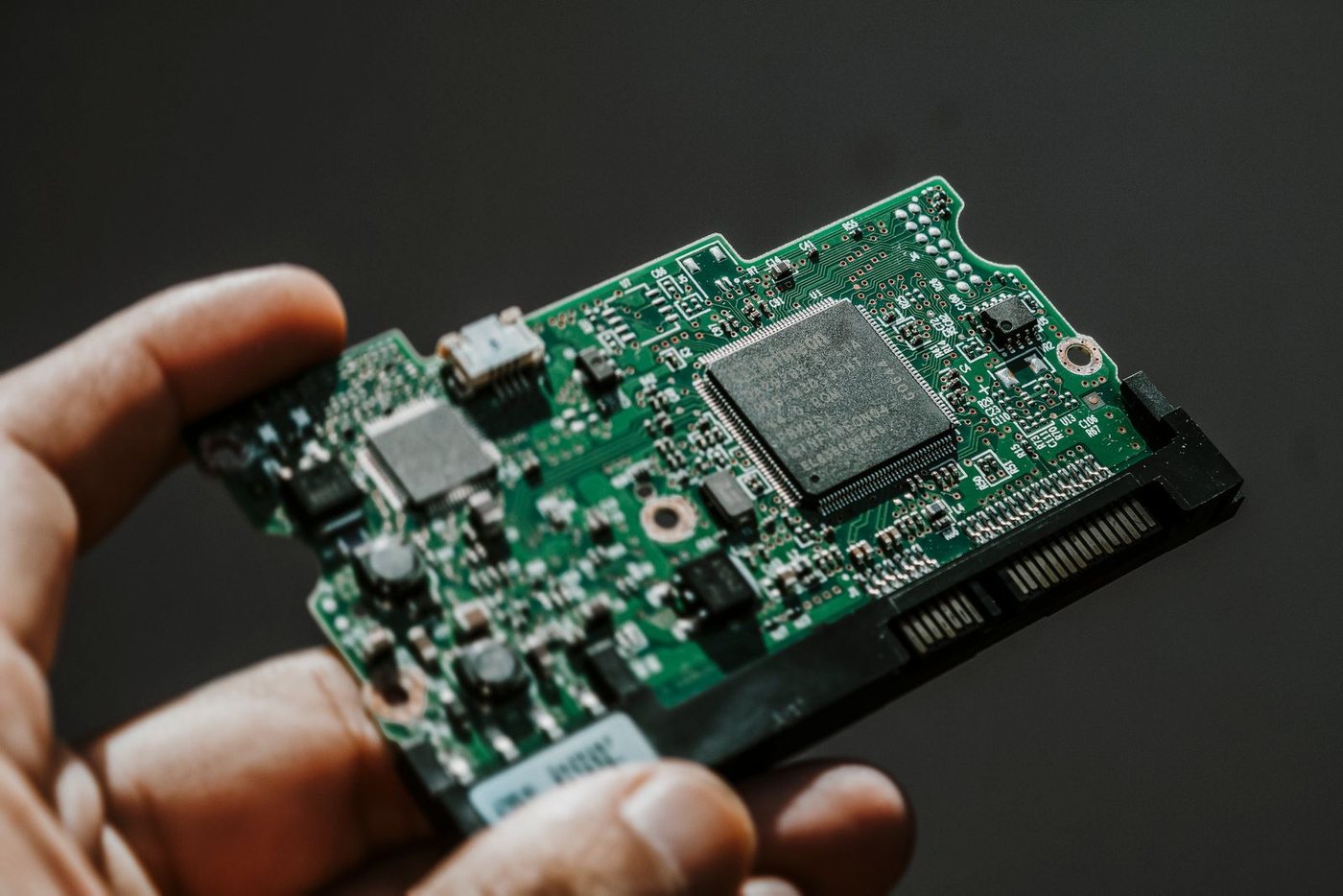
noticed. Manufacturing came back within reach. Five prototype boards from a factory in
Shenzhen now cost less than a week of groceries and land on your desk in nine days. The
factory does not care whether you are Samsung or a second-year student; the quote is
the same.
But the design did not get cheaper. It still takes years to
learn to read a datasheet properly, to know that this sensor wants five volts and this
microcontroller will be damaged by five volts, to know which of the four thousand
near-identical parts is the one still in stock. That knowledge is entirely public —
published, free, sitting in PDFs on manufacturer websites. It is just enormously
expensive to assemble in one head.
So we have arrived somewhere strange: the machines are
democratised and the expertise is not. The bottleneck on new hardware is no longer
capital or access to a factory. It is the number of people who can design a board. That
number is not growing, and the number of things worth building is growing very fast.
Synqit is a bet that this particular gap can be closed with
software, and that closing it changes who gets to make things. Not a world with fewer
engineers — a world with far more people able to get as far as a working prototype
before they need one.